Why Is It Important to Learn About the Lives of the Prophets?
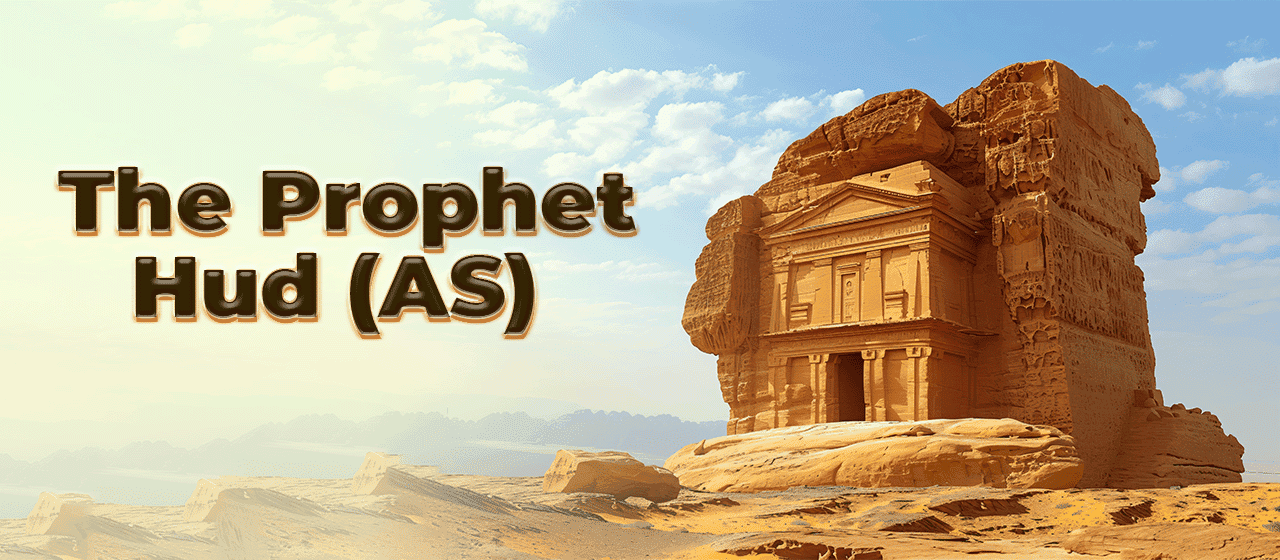
The Holy Quran invites us to contemplate the nations that lived before the message of the Prophet Muhammad. Their lives were narrated not merely as historical records, but as profound lessons for humanity. Through these divine accounts, we are urged to observe the remnants of once-mighty civilizations, like Aad and Thamud, whose material power could not shield them from their ultimate fate. However, they did not dedicate this civilization to the worship of Allah; consequently, their civilization vanished, becoming nothing but a distant memory. Allah Almighty commands us to observe the fate of these nations and witness the consequences of their actions, saying: ”Have they not travelled in the land and seen what was the end of those who were before them? They were superior to them in strength, and in the traces (which they left) in the land. But Allah seized them with punishment for their sins. And none had they to protect them from Allah.” (أَوَلَمْ يَسِيرُوا فِي الْأَرْضِ فَيَنظُرُوا كَيْفَ كَانَ عَاقِبَةُ الَّذِينَ كَانُوا مِن قَبْلِهِمْ ۚ كَانُوا هُمْ أَشَدَّ مِنْهُمْ قُوَّةً وَآثَارًا فِي الْأَرْضِ فَأَخَذَهُمُ اللَّهُ بِذُنُوبِهِمْ وَمَا كَانَ لَهُم مِّنَ اللَّهِ مِن وَاقٍ) [Ghafir: 21]. One of these stories belongs to the Prophet Hud (AS) to the people of Aad, known as ‘the first Aad’.
the people of Aad
The Great Flood was the first collective punishment to afflict mankind. Following this, Aad—a tribe of immense status in the Arabian Peninsula—became the first people to disbelieve and worship idols. They are the first nation to be destroyed by Allah Almighty because of their sins. They resided in Al-Ahqaf in Yemen, a region of winding sand hills. Allah, Glorified and Exalted be He, granted this nation immense physical strength and extraordinary stature, as stated in the Quran. The people of Aad were the greatest of their time in physical stature, height, and power. They were such mighty giants that they boasted, as Allah mentions about them in Surah Fussilat, verse 15: ‘And they said, “Who is greater than us in strength?”‘ Thus, the defining traits of Aad were arrogance and pride in their might, as they exalted themselves over the surrounding tribes. They utterly forgot that Allah alone is the All-Powerful, and He alone is the Most Great. They also constructed lofty buildings and grand palaces with towering pillars, as Allah says: ”Have you not considered how your Lord dealt with Aad—[with] Iram. Who had lofty pillars. The like of which had never been created in any land?’ (أَلَمْ تَرَ كَيْفَ فَعَلَ رَبُّكَ بِعَادٍ (7) إِرَمَ ذَاتِ الْعِمَادِ (8) الَّتِي لَمْ يُخْلَقْ مِثْلُهَا فِي الْبِلادِ) [Al-Fajr: 6-8].
the message of hud (AS)
Prophet Hud (peace be upon him) began calling his people to the truth, but they responded with arrogance, blinded by their own might. Allah Almighty describes their defiance, saying: ”As for Aad, they were arrogant upon the earth without right and said, “Who is greater than us in strength?” Did they not see that Allah who created them was greater than them in strength? But they were rejecting Our signs.” (فَأَمَّا عَادٌ فَاسْتَكْبَرُوا فِي الأَرْضِ بِغَيْرِ الْحَقِّ وَقَالُوا مَنْ أَشَدُّ مِنَّا قُوَّةً أَوَلَمْ يَرَوْا أَنَّ اللَّهَ الَّذِي خَلَقَهُمْ هُوَ أَشَدُّ مِنْهُمْ قُوَّةً وَكَانُوا بِآيَاتِنَا يَجْحَدُونَ). [Fussilat: 15].
The call of Prophet Hud (peace be upon him) was built upon profound spiritual and religious foundations. He came to affirm to his people that Allah alone is worthy of worship, and none besides Him deserves devotion, shattering the idols of polytheism and blind submission. His driving force was never personal gain or status; rather, he was a compassionate prophet who sincerely desired what was best for them, aching over their state of shirk (polytheism) and misguidance. He selflessly declared that he sought no reward or gratitude for his call, leaving his recompense solely to Allah. Furthermore, he presented them with the key to ultimate success in both this life and the next, promising that if they abandoned their misguidance and transgression, and committed to the law of Allah, He would open for them the treasures of His mercy, extend His bounties upon them, and multiply their strength and wealth, allowing them to thrive in prosperity.
prophet hud in the holy quran
The Quran offers a profound depiction of Prophet Hud’s dawah to his people in Surah Hud:
“And to Aad [We sent] their brother Hud. He said, ‘O my people, worship Allah; you have no deity other than Him. You are not but inventors [of falsehood]. O my people, I do not ask you for any reward. My reward is only from the One who created me. Then will you not reason? And O my people, ask forgiveness of your Lord and then repent to Him. He will send [rain from] the sky upon you in showers and increase you in strength [added] to your strength. And do not turn away, [being] criminals.’ They said, ‘O Hud, you have not brought us any clear evidence, and we are not ones to leave our gods on your say-so, nor are we believers in you. We only say that some of our gods have possessed you with evil [insanity].’ He said, ‘Indeed, I call Allah to witness, and witness [yourselves] that I am free from whatever you associate with Him other than Him. So plot against me all together; then do not give me respite. Indeed, I have relied upon Allah, my Lord and your Lord. There is no creature but that He holds its forelock. Indeed, my Lord is on a path that is straight. But if they turn away, then I have already conveyed to you that with which I was sent to you. And my Lord will grant succession to a people other than you, and you will not harm Him at all. Indeed, my Lord is, over all things, Guardian.”
The punishment of Aad
The very beginning of their torment was as follows; they had been suffering from a severe, prolonged drought and were desperately seeking rain. When they saw a cloud traversing the sky, they rejoiced, mistaking it for a rain of mercy—only to realize it was, in fact, a rain of severe punishment. Then, a violent, raging wind struck them, lifting their giant men high into the air and crashing them headfirst into the ground, severing their heads from their bodies—leaving them like uprooted palm trees. Allah said in the Holy Quran: “Aad denied [their prophet], and how [severe] was My punishment and My warning. Indeed, We sent upon them a screaming wind on a day of continuous ill fortune, Plucking away the people as if they were trunks of uprooted palm trees. So how [severe] was My punishment and My warning?” (كَذَّبَتْ عَادٌ فَكَيْفَ كَانَ عَذَابِي وَنُذُرِ. إِنَّا أَرْسَلْنَا عَلَيْهِمْ رِيحًا صَرْصَرًا فِي يَوْمِ نَحْسٍ مُّسْتَمِرٍّ. تَنزِعُ النَّاسَ كَأَنَّهُمْ أَعْجَازُ نَخْلٍ مُّنقَعِرٍ. فَكَيْفَ كَانَ عَذَابِي وَنُذُرِ) Surah Al-Qamar (Ayahs 18-21).
The devastating storm lasted for seven nights and eight days until it completely wiped out the people of Aad, leaving nothing but ruins as a timeless lesson for mankind. In the midst of this destruction, the Almighty protected Hud and his followers in a secure enclosure, fulfilling His divine promise: ”And when Our command came, We saved Hud and those who believed with him, by mercy from Us, and We saved them from a harsh punishment.” (Surah Hud: 58). News of this catastrophic end echoed across surrounding nations, while Hud and the believers lived on in peace until he passed away.